
What You’ll Find Inside
- Read this before buying: Find out if linen paper for invitations actually works with your printer and when it’s worth the extra texture.
- Avoid the paper fail: See the common printing mistakes that can leave your invitations blurry, smudged, or stuck in the printer.
- Pick the right cardstock: Get a quick guide to choosing between linen, matte, smooth, and glossy paper for your invitation design.
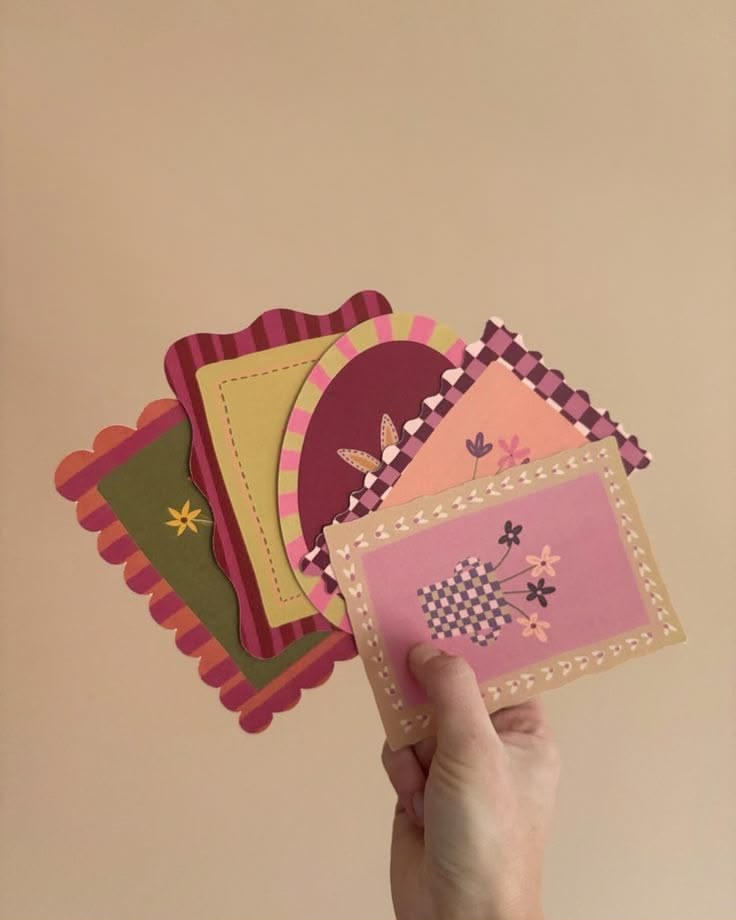
I’ve been there: you spend an hour making a birthday invitation look absolutely adorable, buy what you think is “fancy” cardstock, and then your printer starts making noises like it has personally decided to ruin your child’s birthday.
And linen paper is especially confusing because it looks so pretty in the package. Then you print on it and suddenly the colors look softer, the tiny text isn’t quite as crisp, or the paper refuses to go through the printer. Yep. Ask me how I know.
If you’re wondering whether linen paper for invitations is actually worth buying, here’s the mom-to-mom answer: yes, it can look beautiful, but it isn’t automatically the best choice for every invitation or every printer.
So, What Exactly Is Linen Paper?
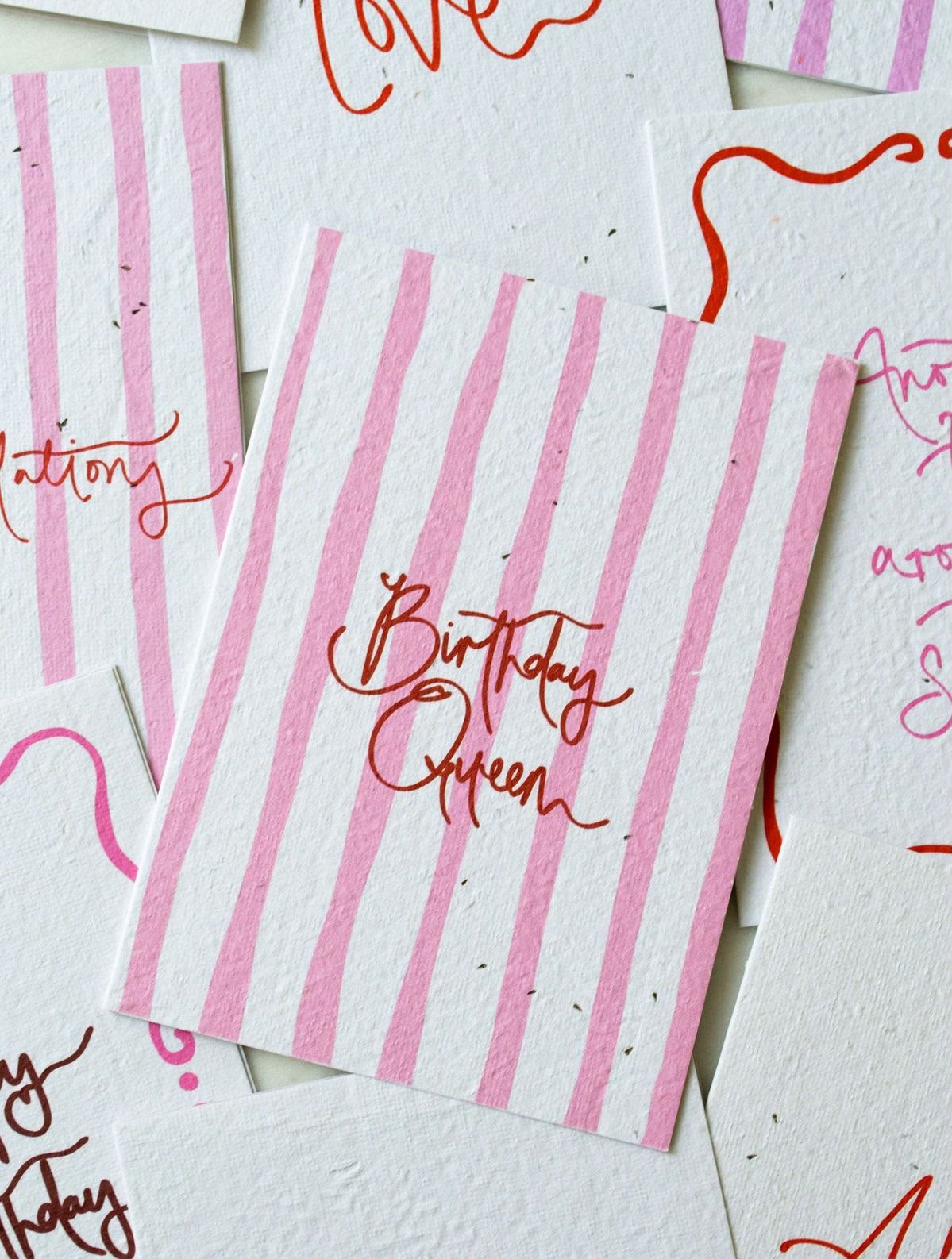
Linen paper is paper or cardstock with a textured surface designed to resemble the woven look of linen fabric.
You can usually see and feel a subtle crosshatch pattern when you tilt the paper in the light. It gives an invitation a little more texture and makes it feel less like something that came straight out of the home printer.

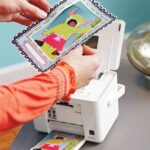
And honestly? That little texture can make a surprisingly big difference.
I’ve used linen-style cardstock when I wanted an invitation to feel a bit more special without adding a bunch of extra decorations. Sometimes the paper itself does half the decorating for you.
That said, linen paper isn’t necessarily made from actual linen fibers. The word “linen” usually describes the finish or texture, not the material itself.
So when you’re shopping, don’t assume every package labeled linen will feel exactly the same. Some have a very subtle texture, while others have a much more noticeable woven pattern.
And that matters when you’re printing.
Is Linen Cardstock Good for Printing?
Generally, yes. But there’s a giant asterisk here.
Is linen cardstock good for printing? It can be, especially for invitations, greeting cards, programs, and other pieces where you want a textured, slightly more upscale look.
The problem is that textured paper doesn’t always behave like smooth cardstock.
The little raised texture changes the surface your ink lands on. Depending on the paper, printer, ink, and design, you may notice:
- Colors looking slightly softer
- Very small text losing some sharpness
- Fine lines looking less clean
- Ink taking longer to dry
- Uneven coverage on heavily textured paper
- Paper feeding less reliably through some printers
That doesn’t mean linen cardstock is “bad.”
It just means you have to test it before printing 40 invitations at 11:47 p.m. the night before the party.
Please learn from my mistakes.
The Biggest Mistake I See Parents Make
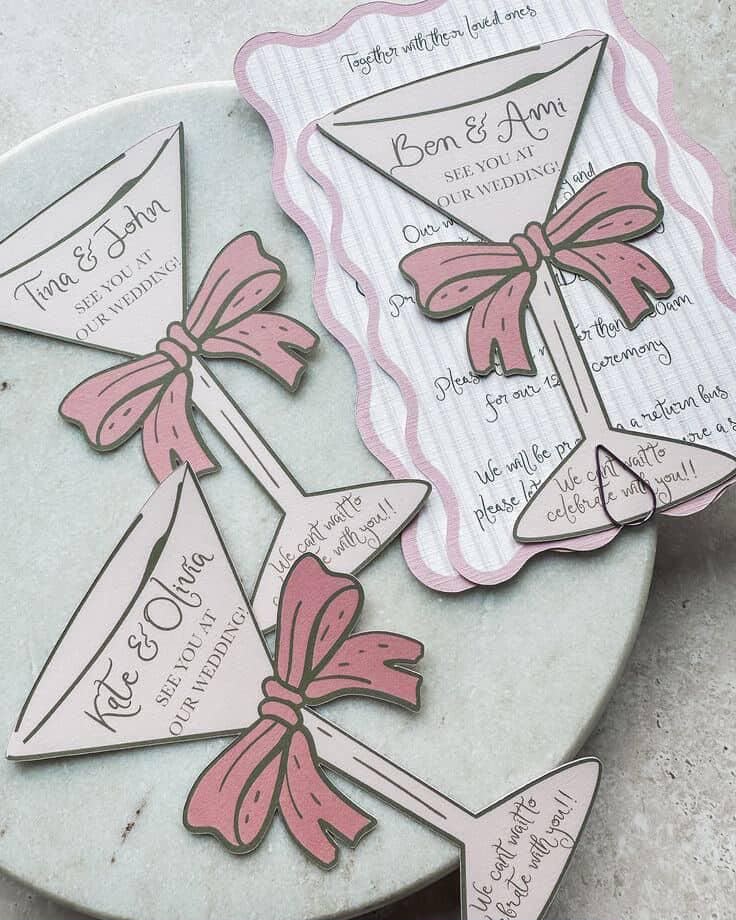
The most common mistake is choosing the paper based entirely on how it looks in the package.
I get it. You’re standing in Michaels, Target, or scrolling online, and the linen cardstock looks gorgeous.
Then you think:
“This is going to make the invitations look SO expensive.”
Maybe!
But your printer doesn’t care about your vision board.
It cares about whether that particular sheet is within its paper thickness and media specifications.
A heavier cardstock may not feed properly. A very textured sheet may produce less even ink coverage. And some printers simply aren’t designed to handle certain cardstock weights or specialty finishes.
So before buying a whole pack, print one test sheet.
Actually, if you can buy a small sample first, even better.
What Linen Paper Does Really Well
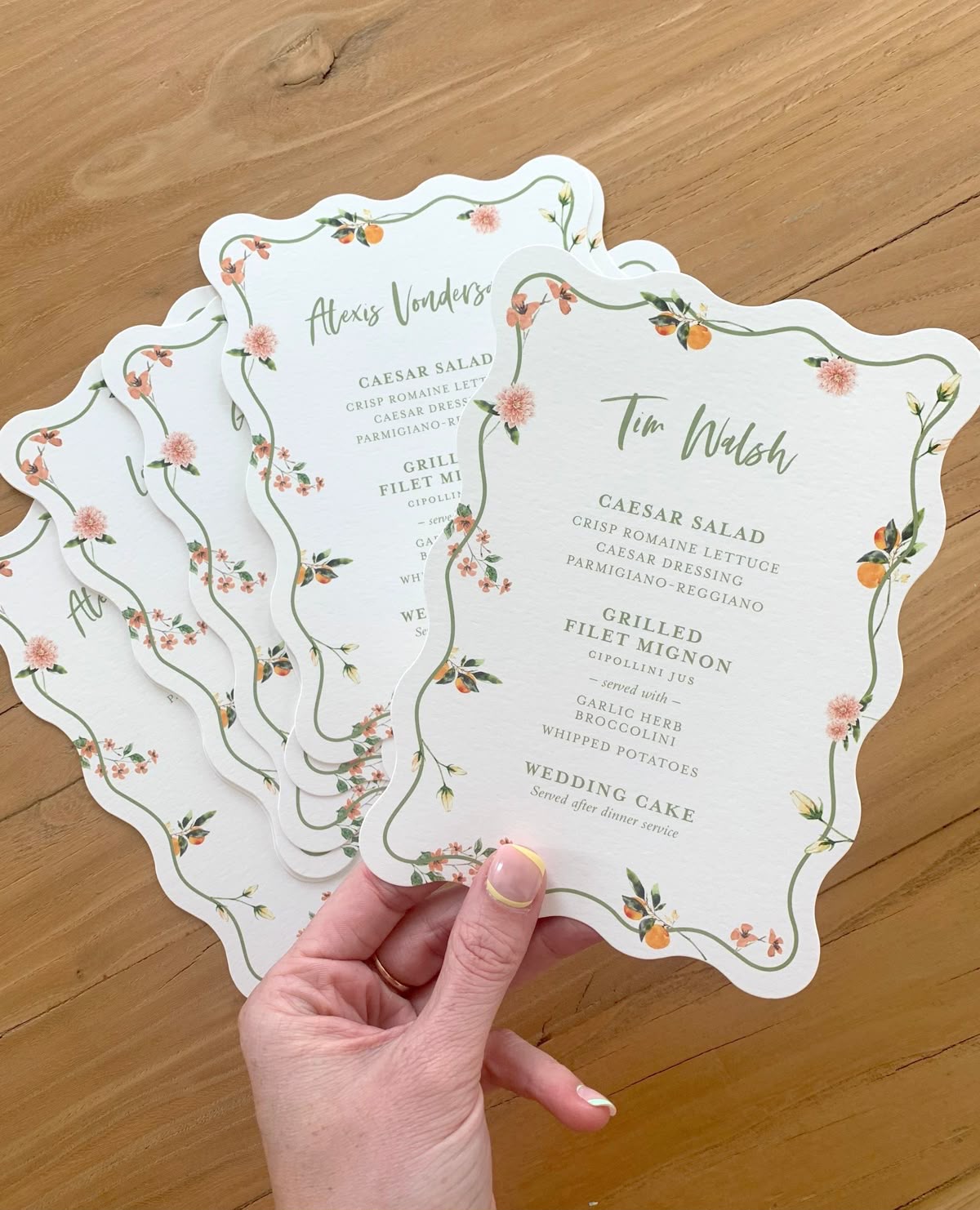
For the right invitation, linen texture is lovely.
1. It makes simple designs feel more finished
This is probably my favorite thing about it.
If your invitation has a fairly simple layout—maybe a soft floral design, a minimalist birthday theme, or elegant typography—the linen texture gives the paper some visual interest without needing glitter, ribbon, foil, twelve stickers, and a small emotional-support hot glue gun.
You know what I mean.
2. It feels nice in your hand
This sounds silly until you compare a regular sheet of printer paper with a nice piece of textured cardstock.
The difference is immediate.
A thicker linen cardstock can make an invitation feel more substantial when someone pulls it out of the envelope.
3. It works beautifully for certain party styles
I especially like linen textures for:
- Floral birthday parties
- Garden parties
- Tea parties
- Baby showers
- First birthdays
- Rustic themes
- Neutral or minimalist invitations
- Elegant adult birthdays
- Wedding and engagement invitations
For something like Charlotte’s birthday, I might choose linen cardstock if we were doing a soft garden-party theme.
For Louise’s hypothetical dinosaur party?
Probably not.
Although I can already picture Andrew pretending he isn’t excited about toy excavators while somehow spending 25 minutes comparing them at Target.
Keep planning your party with these helpful guides.
When I Would Skip Linen Paper
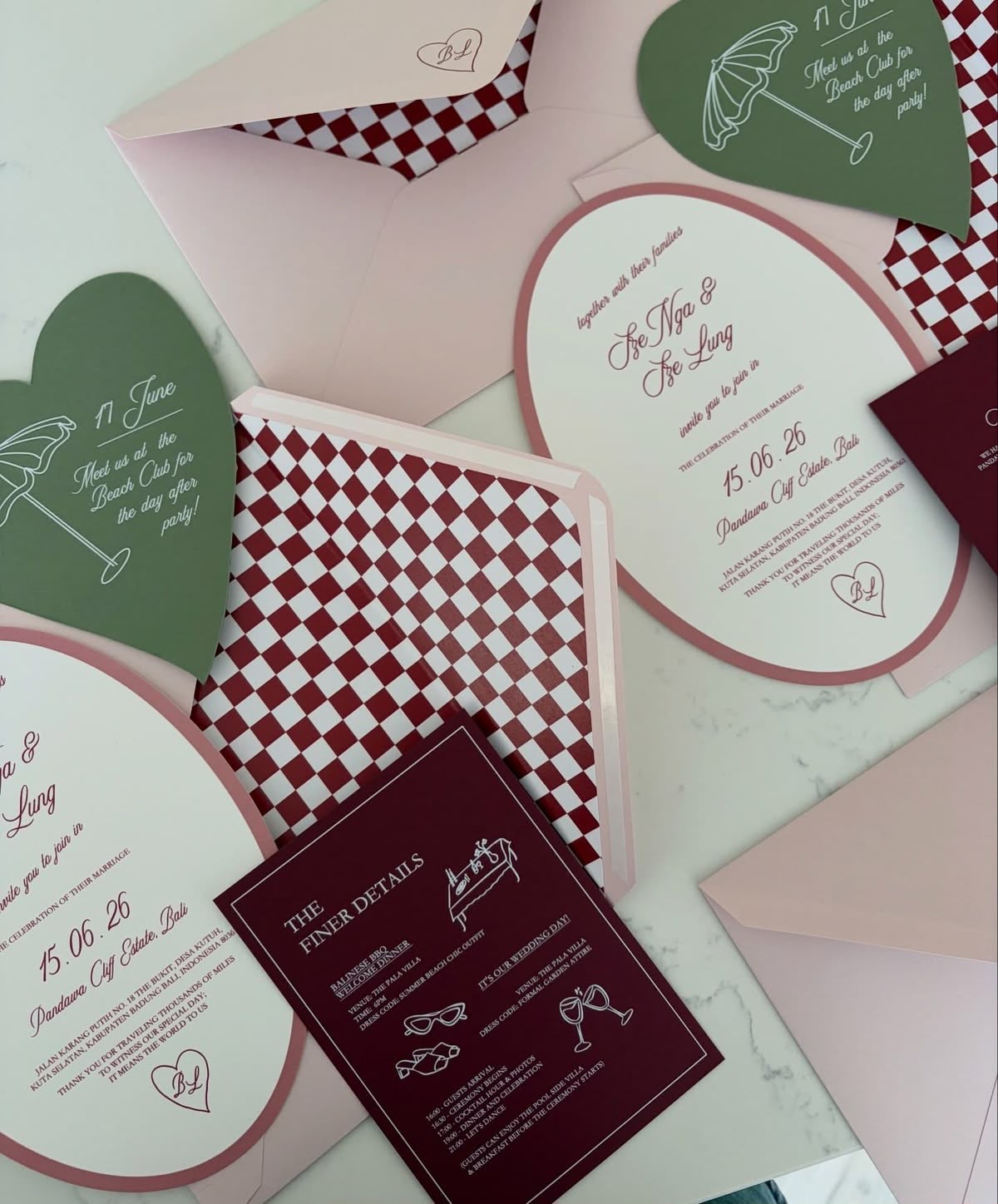
There are definitely situations where I wouldn’t bother.
If your design is packed with tiny details, extremely thin fonts, or very fine illustrations, I’d lean toward a smoother cardstock.
Why?
Because the texture can compete with those little details.
This is especially noticeable with very small text. Your invitation may look perfectly sharp on your computer screen, but the printed version can look softer once the ink meets the textured surface.
And if you’re printing a design with large blocks of dark color, I’d absolutely test it first.
A heavily textured, uncoated surface can make solid areas look different from what you see on your monitor.
That’s not necessarily ugly. It’s just different.
Linen Paper vs. Smooth Cardstock
If you’re stuck between the two, I’d think about it this way:
| Paper | Best For | What I Like | Potential Problem |
| Linen cardstock | Elegant, floral, rustic designs | Texture and premium feel | Can soften tiny details |
| Smooth cardstock | Bright, colorful kids’ invitations | Crisp text and graphics | Less textured/premium feeling |
| Matte cardstock | Most everyday invitations | Easy to read, low glare | Doesn’t have the woven texture |
| Glossy paper | Photo-heavy designs | Bright, vivid colors | Glare and fingerprints |
For most of my kids’ invitations, I honestly don’t think you need linen paper.
If the design itself is colorful and playful, a good smooth or matte cardstock can look fantastic.
But if the design is intentionally simple and you want that “oh, this is nice” feeling when someone holds it, linen is worth considering.
What Weight Should You Look For?
Here’s where invitation paper gets unnecessarily confusing.
You’ll see paper described using things like lb, gsm, and cover weight, and suddenly you’re standing in the paper aisle questioning every life decision.
For invitations, look specifically at the manufacturer’s recommended printer compatibility rather than assuming that a higher number is always better.
A heavier sheet isn’t automatically more luxurious if your printer can’t feed it.
Many invitation makers use cardstock around the medium-to-heavy range, but the exact weight you can use depends heavily on your printer.
Always check your printer manual or manufacturer’s specifications for supported paper types and weights.
That’s much more useful than someone online saying, “Oh, my printer handled 110 lb cardstock!”
Great for them.
Your printer may have other plans.
My Favorite Trick: Test the Actual Invitation
Don’t just test the paper.
Test your actual design on the paper.
This is one of those boring little steps that saves so much frustration.
Print one invitation and check:
- Is the text sharp?
- Are the colors close to what you expected?
- Does the texture look nice?
- Is the paper feeding correctly?
- Does the ink dry properly?
- Does anything smear when you touch it?
- Does the cardstock curl?
- Does the design still look good from a normal distance?
And please don’t inspect it from two inches away under the brightest lamp in your house.
Look at it like a guest would.
Hold it in your hand. Put it on a table. Stick it in an envelope.
That’s the real test.
A Quick Fix If Your Linen Invitation Looks Blurry
If you already printed your invitation and it looks softer than expected, don’t immediately redesign the entire thing.
First, try simplifying the design.
Increase the size of small text slightly, avoid ultra-thin fonts, and give tiny decorative elements a little more breathing room.
If you’re using a very textured sheet, switching to a smoother cardstock may also solve the problem immediately.
And if the paper itself is causing the issue, don’t keep changing your printer settings for three hours hoping it’ll magically become different paper.
Yes, I have absolutely done this.
What About Inkjet vs. Laser Printers?
This is another reason testing matters.
Inkjet and laser printers work differently, and specialty cardstock can behave differently depending on the printer.
With an inkjet printer, the ink is deposited onto the paper surface, so an uncoated textured paper can affect how evenly the ink appears.
Laser printers use toner and heat, and the printer still needs to be rated for the particular paper thickness and type.
So there isn’t a universal:
“Linen cardstock = use an inkjet.”
Nope.
Check your printer’s specifications and the paper manufacturer’s recommendations.
If you’re printing a large batch, I’d also do a few test sheets rather than assuming the first successful print means everything will be perfect for all 50 invitations.
Printers are occasionally dramatic.
When I’d Send Them to a Print Shop Instead
If you’re making a small number of invitations, printing at home can absolutely make sense.
But if you need a large batch or you’re using particularly thick or specialty linen cardstock, I’d at least price out professional printing.
Places like Walgreens and Staples can be useful for simple printing jobs, while a specialty print shop may have more options for heavier cardstock and textured stocks.
The funny thing is, sometimes the cost difference isn’t as dramatic as you expect—especially after you’ve bought specialty paper, ink, and sacrificed half your Saturday to your printer.
I’ve had those moments where I thought, “I am saving money!”
And then I looked at the pile of wasted cardstock.
Okay, girl.
How I’d Choose Linen Paper for a Kids’ Birthday Invitation
If I were making an invitation today, I’d make the decision based on the design first.
Choose linen if:
- The design is simple or elegant
- You want a noticeable paper texture
- You’re using medium-sized or larger text
- Your printer supports the cardstock
- You’ve tested the exact paper
- You like the softer, tactile look
Choose smooth or matte cardstock if:
- Your invitation has lots of tiny details
- You’re using very thin fonts
- The design has large areas of saturated color
- You want the sharpest possible graphics
- You don’t want to worry about textured paper feeding through your printer
And if you’re making a fun kid’s invitation with dinosaurs, trucks, superheroes, or a million little colorful illustrations?
I’d probably spend the money on the design and a decent envelope instead.
The paper doesn’t have to be fancy for the invitation to feel special.
My Pro Tip: Don’t Buy 100 Sheets Yet
This is the advice I wish someone had given me years ago.
Buy a small amount first.
Print your invitation.
Look at it in daylight.
Then look at it under your normal indoor lighting.
Put it next to the envelope you’re planning to use.
If you’re happy with it, then buy enough for the whole batch plus a few extras.
I like having at least a handful of extra sheets because something will happen.
Someone will spill juice.
The printer will grab two sheets.
You will accidentally print yesterday’s version with the wrong party time.
And then your husband will walk by and ask, “Didn’t we already print these?”
Andrew.
Please leave.
Don’t Have an Invitation Design Yet?
This is usually the point where I stop overthinking the paper and go back to the fun part: making the invitation.
I like starting with a ready-made design and customizing the details instead of staring at a blank page while Charlotte asks for snacks every six minutes.
Drevio’s free invitation templates include birthday and party designs that you can customize and print, so you can spend less time fighting with the layout and more time figuring out whether you remembered to order the cupcakes.
Drevio also has editable PDF invitation templates that can be customized and exported for printing.
Once your design is ready, then choose your paper.
That order makes life much easier.
So, Is Linen Paper Good for Invitations?
Yes, but it’s not automatically the best choice.
Linen paper for invitations is great when you want texture, a little extra personality, and a more polished feel. It works especially well with simple, elegant designs where the paper can be part of the overall look.
But if your printer struggles with specialty cardstock, your design has tiny text, or you just want crisp, predictable printing, smooth or matte cardstock may be the smarter choice.
The biggest thing I’d tell another mom is this:
Don’t buy the fancy paper first. Test it first.
Print one invitation.
Hold it.
Look at the colors.
Run your fingers over the texture.
Put it in the envelope.
If you smile and think, “Yep, that’s it,” then buy the big pack.
Because the goal isn’t to have the fanciest paper sitting in your craft drawer.
The goal is to hand someone an invitation that makes them think, “Oh my gosh, this party is going to be fun.”
And if you can do that without your printer making you question your entire existence, I’d call that a parenting win.